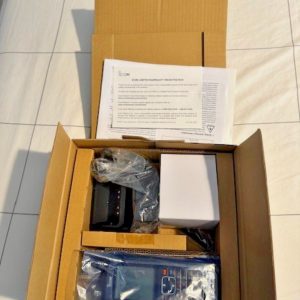
:::writingvariant="document" id="58314" ICOM IC-A25N Handheld NAV/COM Transceiver w/ Bluetooth – Open Box: Professional Aviation Backup Radio The ICOM IC-A25N Handheld NAV/COM Transceiver w/ Bluetooth – Open Box is a versatile communication and navigation device for pilots, flight instructors, aircraft operators, aviation students, and ground personnel who require dependable portable radio capability. A carefully inspected open-box package can offer the operational benefits of a premium handheld aviation radio while helping owners control equipment costs. A dependable ICOM IC-A25N Handheld NAV can become an important part of a pilot’s flight bag by providing portable communication capability whenever installed aircraft equipment is unavailable. The ICOM IC-A25N Aviation Radio is relevant to pilots who need dependable access to aviation frequencies while operating in the cockpit or around an airport. The ICOM IC-A25N Handheld Radio can be carried conveniently in a flight bag, stored as backup cockpit equipment, used during preflight activities, or assigned to aviation personnel who require portable communication. A Handheld NAV/COM Aviation Transceiver can reduce the need to carry separate portable communication and navigation receivers for certain aviation tasks. Whether pilots need a Handheld Aviation Radio, Aviation NAV/COM Radio, Pilot Handheld Radio, or portable Aircraft Communication Radio, the complete package should be inspected and tested. As an Aviation Communication Device, the radio can provide portable support for cockpit, training, emergency, and ground environments.
Key Benefits of the ICOM IC-A25N Transceiver
This handheld transceiver offers pilots a convenient way to carry aviation communication equipment independently of the aircraft’s installed radio system. Pilots often select a feature-rich handheld radio because it supports communication needs without requiring permanent installation or aircraft modification. Real-world results depend on setup, antenna use, radio configuration, location, surrounding structures, and the condition of the complete package. Training with the device can reduce delays and confusion when rapid communication becomes necessary.ICOM IC-A25N Handheld NAV Features
A handheld NAV radio can be valuable to flight instructors who demonstrate aviation communication and navigation concepts during training. Ground personnel can use an appropriate handheld radio for monitoring or coordination where local procedures and regulations allow. Pilots should verify information using suitable aviation references and avoid relying on one portable device for every navigation decision. Responsible operation includes checking settings, frequency steps, stored information, battery capacity, antenna security, and any paired accessories before departure.Choosing an ICOM IC-A25N Aviation Radio
Aviation professionals can carry the IC-A25N when moving between aircraft instead of depending entirely on equipment installed in one cockpit. Flight instructors can use the device as supplemental equipment during ground lessons, aircraft walkarounds, and selected training exercises. Current photographs should show the radio body, display, controls, connectors, antenna, battery, charger, packaging, and included components. Testing should occur in a lawful and appropriate manner without creating unauthorized transmissions or interfering with aviation communications.ICOM IC-A25N Handheld Radio Portability
The handheld format allows the radio to move with the pilot between personal, rental, training, business, and club aircraft. Responsible storage preserves physical condition and improves the likelihood that the radio will function correctly when needed. Portability also allows the radio to be charged and configured away from the aircraft, helping pilots prepare frequencies and settings before entering the cockpit. The radio should be removed from environments where condensation, fuel, oil, cleaning products, or maintenance debris may cause damage.Choosing a Handheld NAV/COM Aviation Transceiver
The device may be especially valuable to pilots who operate older aircraft, rented aircraft, or airplanes with limited redundancy. Commercial value depends on condition, package completeness, included equipment, seller support, and the cost of any missing accessories. A handheld transceiver becomes more dependable when it is included in routine preflight preparation rather than checked only during emergencies. An equipment log may be helpful for flight schools, shared aircraft, or aviation businesses where several users handle the same device.Handheld Aviation Radio Benefits
General aviation users may carry a portable radio during training flights, cross-country operations, maintenance, aircraft repositioning, and airport events. Regular practice and maintenance turn a handheld device into meaningful backup equipment rather than an unverified accessory. Radio performance can be affected by aircraft structure, cockpit location, antenna orientation, terrain, buildings, interference, weather, and distance. Responsible communication protects aviation operations and helps users gain the full value of a professional handheld radio.Aviation NAV/COM Radio Applications
An Aviation NAV/COM Radio gives pilots portable access to communication and navigation-support features that may complement installed cockpit avionics. Important features should be practiced on the ground before the radio is used during high-workload phases of flight. The device is most effective when integrated into a disciplined aviation workflow rather than treated as a single solution for every situation. Volume and squelch should be adjusted appropriately while avoiding unnecessary distraction.Pilot Handheld Radio Applications
A Pilot Handheld Radio offers flexibility to aviation professionals whose work involves several aircraft, airports, and operational environments. Good cockpit organization reduces workload and prevents backup equipment from becoming difficult to reach when needed. Regular familiarity helps users recognize abnormal operation, weak batteries, damaged controls, or missing accessories early. Responsible power management is central to maintaining a dependable Pilot Handheld Radio.Portable Aircraft Communication Radio
An Aircraft Communication Radio supports communication between pilots, air traffic services, other aircraft, flight instructors, and authorized ground personnel. Professional communication practices improve the effectiveness of both installed and handheld radios. A portable radio may operate differently from the aircraft’s main communication system because antenna size, antenna position, output, and cockpit shielding can affect performance. The radio should be protected from impact, vibration, liquid exposure, extreme temperature, and damaged accessories.Choosing a Portable Aviation Transceiver
A compact transceiver may remain available during electrical shutdowns, maintenance events, panel upgrades, or aircraft storage. A protective case can separate the radio from tools, keys, metal objects, liquids, and heavy equipment inside a flight bag. Users should understand how to disconnect or change the wireless connection if audio is routed incorrectly during operation. Pilots should avoid troubleshooting complicated pairing issues during high-workload phases of flight.Maintaining an Aviation Communication Device
Pilots should select communication equipment according to mission requirements, aircraft type, operating area, training needs, and backup planning. Buyers should avoid assuming that open-box always means unused or that every accessory remains included. Organized equipment management helps ensure that the radio remains available and serviceable for the next user. A radio configured for one headset or training environment may need adjustment before being issued for another application.Handheld Aircraft Radio Benefits
Ground teams may use appropriate handheld equipment during coordinated activities where aviation communication is required and authorized. A handheld unit allows maintenance personnel to confirm communication-related information while aircraft power remains disconnected. Cockpit use requires secure storage and careful cable management so the radio does not interfere with flight controls, doors, seat adjustment, or emergency movement. Ramp and maintenance environments can expose portable electronics to contaminants that are less common in normal indoor storage.Choosing an Aviation Navigation Radio
Navigation functions can add value during training, planning, route familiarization, and backup preparation when used appropriately. Competent use comes from practice, realistic expectations, and integration with established navigation procedures. Pilots remain responsible for route planning, weather evaluation, airspace awareness, fuel management, and safe aircraft control. Careful preparation allows an Aviation Navigation Radio to provide practical value get more info without increasing cockpit workload unnecessarily.ICOM Pilot Radio Applications
Pilots may choose an ICOM Pilot Radio because they want one familiar handheld device for training, travel, cockpit backup, and ground operations. An open-box unit may have excellent value, but the buyer should verify the package rather than relying solely on the model name. Buyers should compare the offered radio with their headset, Bluetooth devices, aircraft environment, charging resources, and expected operating frequency. A protective case and consistent charging routine can help preserve the equipment and prevent missing accessories.Emergency Aviation Radio Benefits
Emergency value depends on the radio being charged, accessible, configured, and familiar to the pilot before a problem occurs. A written quick-reference guide may help, but it should remain simple enough to use without creating distraction. The pilot should know how to operate the radio directly if a paired headset or wireless accessory fails. The radio should be tested periodically without making unauthorized transmissions or interfering with operational frequencies.Choosing a Backup Aircraft Radio
A portable radio may also support communication when an aircraft is on the ground with its electrical system disconnected or undergoing avionics maintenance. The radio should be included in preflight equipment checks appropriate to the planned operation. A simple and familiar arrangement is generally more useful during an abnormal situation than a complicated setup that has not been practiced. With thoughtful preparation, a Backup Aircraft Radio can provide valuable confidence without creating unnecessary cockpit complexity.Buying an Open-Box ICOM IC-A25N
A careful physical review helps determine whether the product condition matches the seller’s open-box description. Missing accessories can increase final cost and may prevent the radio from being used as expected immediately after delivery. Functional testing should include power-on behavior, charging, control response, display operation, speaker audio, microphone function where appropriately tested, and accessory recognition. A professional purchasing process protects both parties and supports a fair evaluation of the open-box aviation transceiver.Long-Term Ownership of an ICOM IC-A25N
A handheld aviation radio can provide many years of useful service when it is protected from impact, moisture, heat, contamination, and careless storage. Any change in audio, charging, battery life, control response, display quality, Bluetooth operation, or power stability should be investigated.- Check for cracks, loose parts, damaged buttons, display concerns, weak battery performance, antenna damage, charging problems, and missing accessories.
- Confirm that paired accessories, headset connections, stored information, display settings, antenna attachment, and power level are suitable for the planned operation.
- Protect the equipment from extreme temperature, direct sunlight, moisture, fuel, oil, cleaning chemicals, heavy tools, and accidental impact.